Homepage Site Search
Copyrighted Material—All Rights Reserved

Geography Index
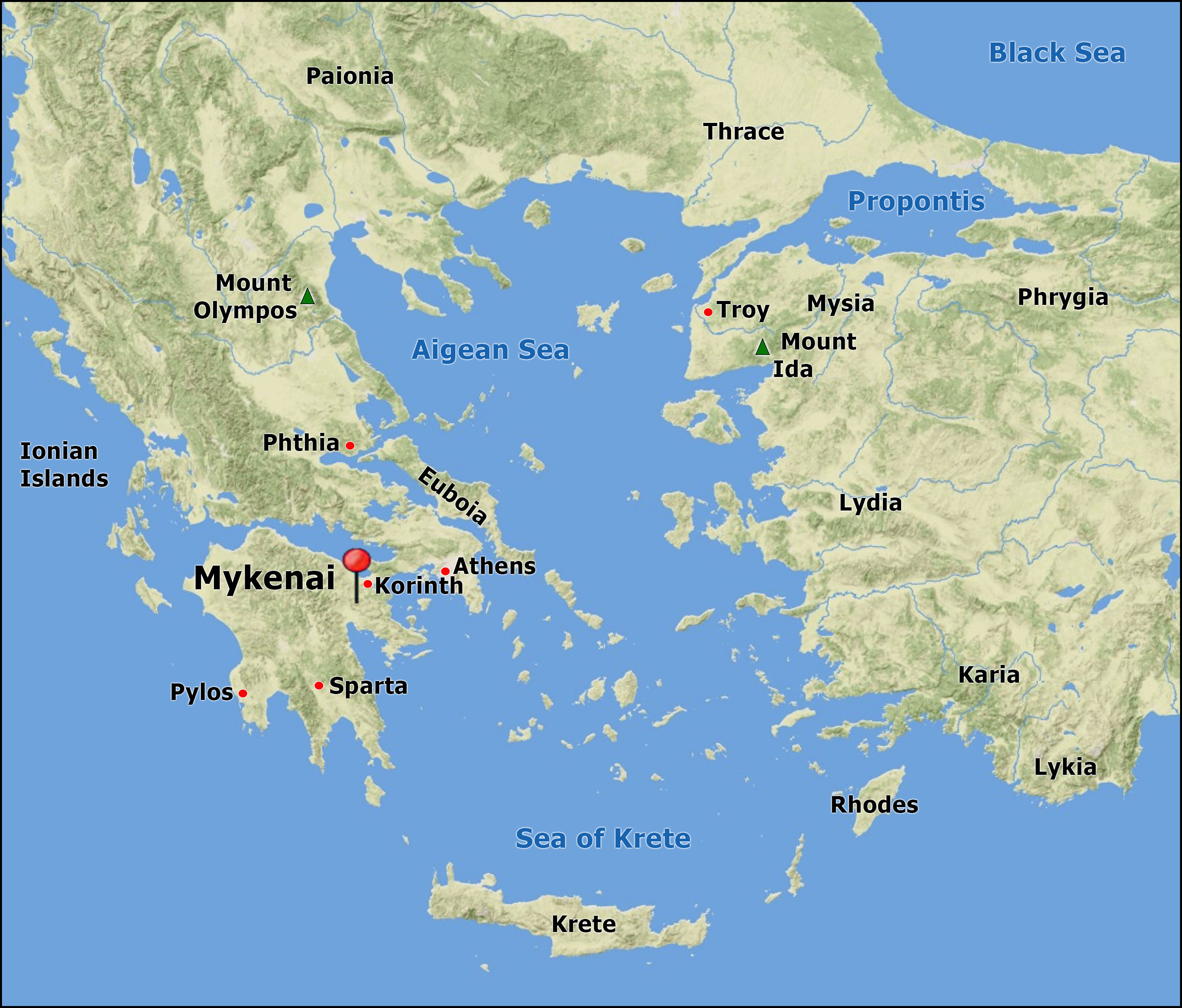
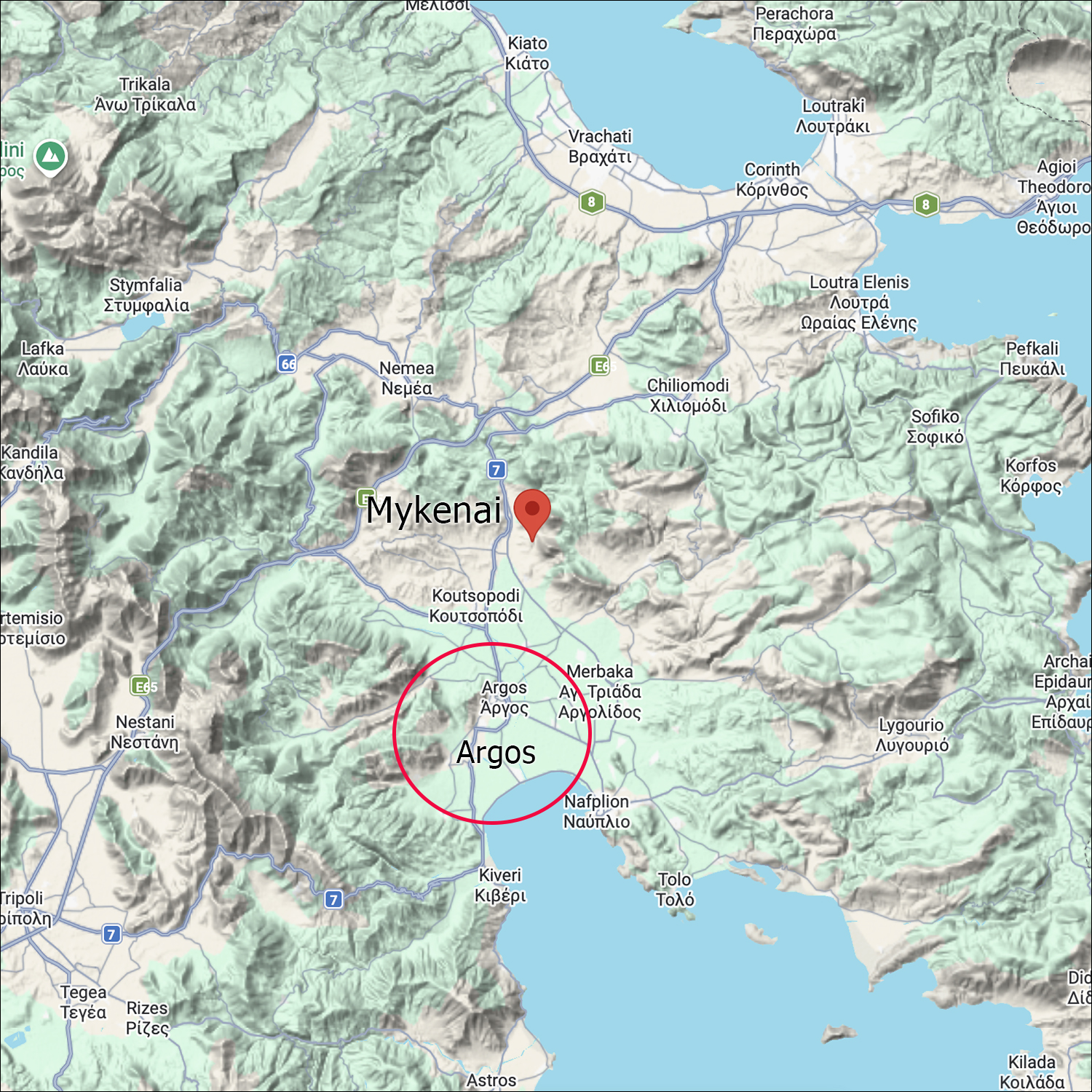
A Bronze Age city on the northern Peloponnesian Peninsula.
At the time of the Trojan War (circa 1250–1240 BCE), Mykenai was the most powerful city in Greece and the primary city of Agamemnon, commander of the Achaian (Achaean) army at Troy.
At least four generations before Agamemnon (circa 1490 BCE), a son of the god Zeus named Perseus, founded the city of Mykenai. Perseus is best remembered as the hero who beheaded the Gorgon, Medusa. Perseus was the grandson of King Akrisios (Acrisius) of Argos. who was given a prophesy stating his grandson would kill him. The prophesy was fulfilled when Perseus accidentally killed Akrisios, thus becoming the heir to the kingdom of Argos. Perseus felt shamed by what he had done and left Argos to Megapenthes, the son of Proetus, ruler of Tiryns.
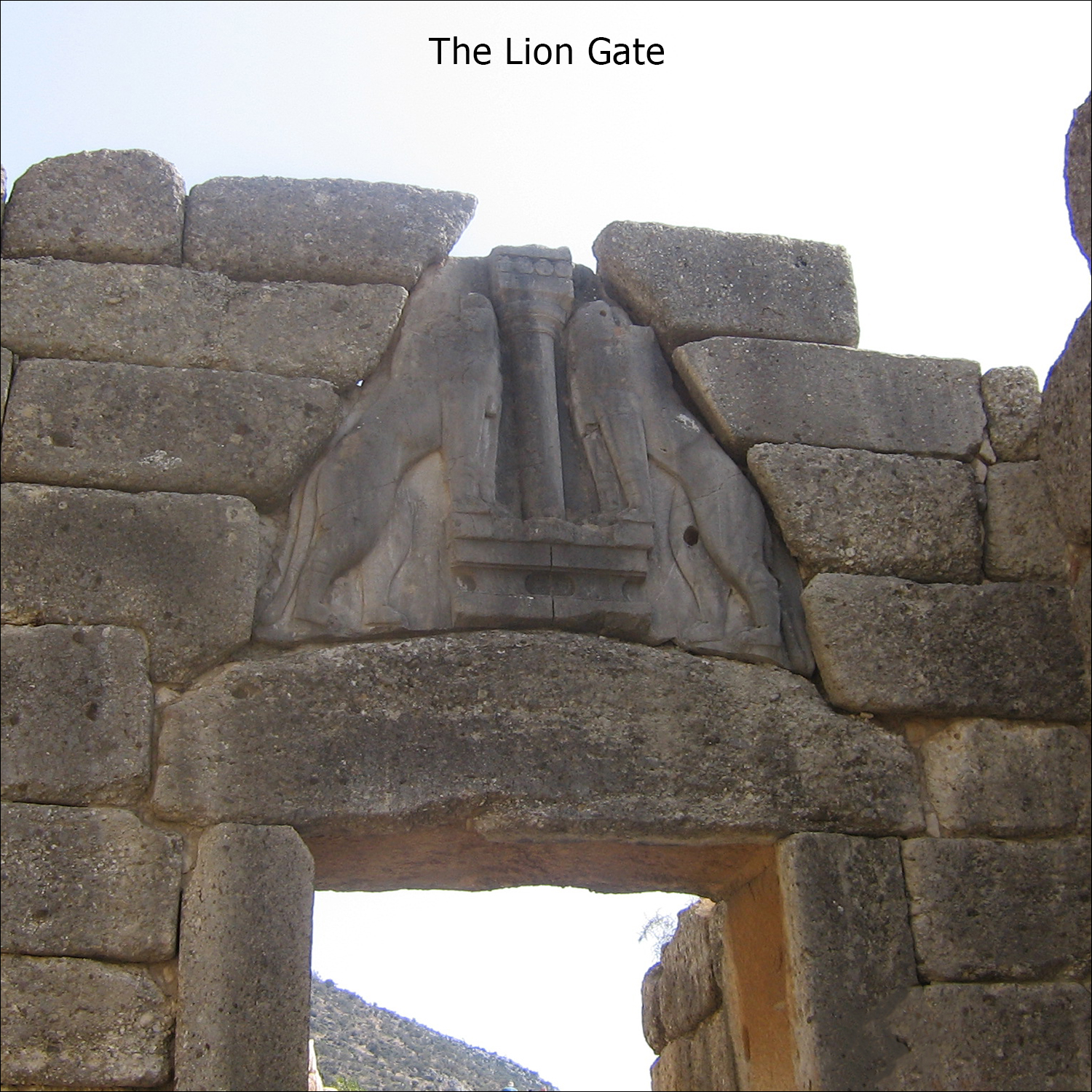
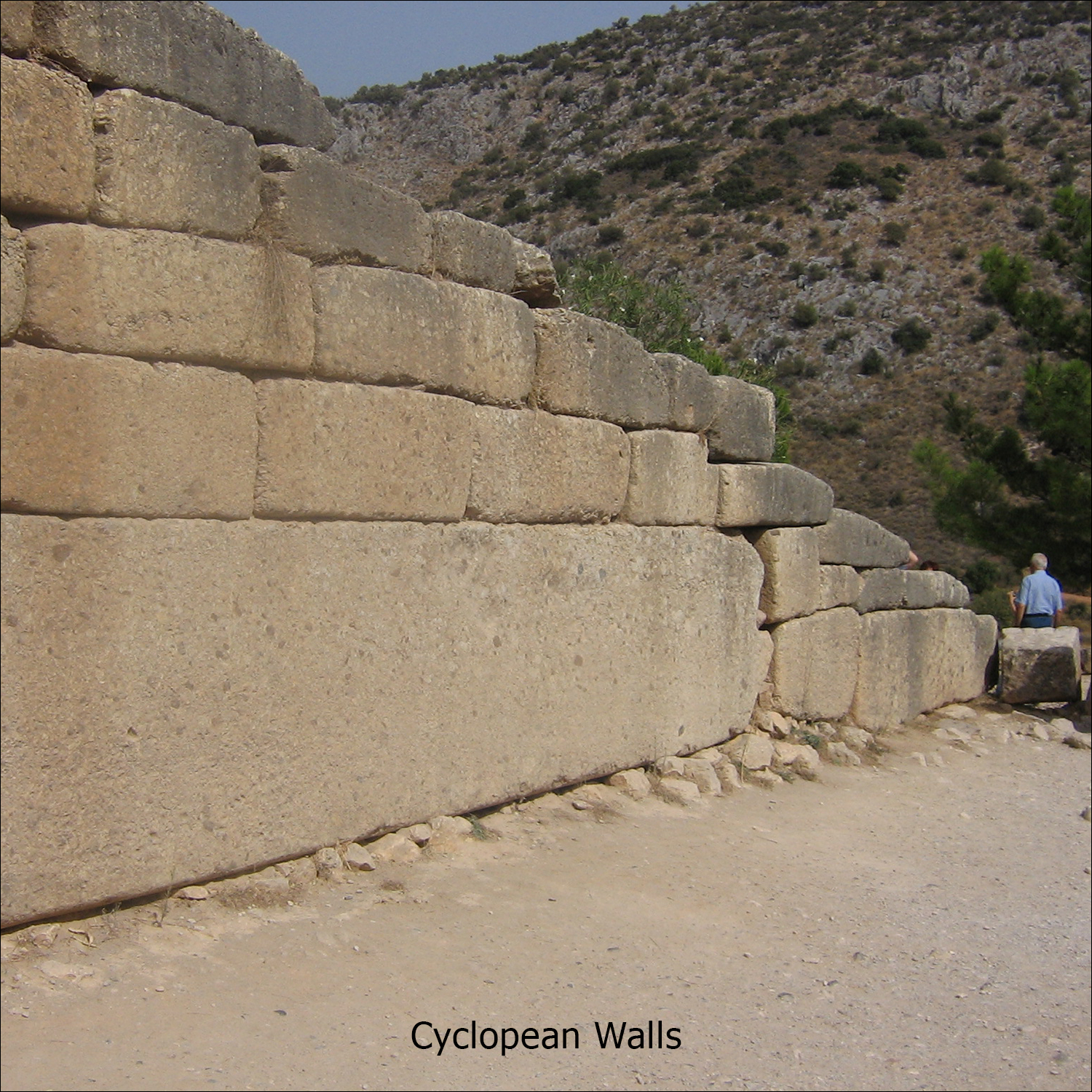
As he left Argos traveling north, Perseus was given an omen as to where he was to found a new city. There was nothing subtle or humble about the city. The massive walls and distinctive Lion Gate were made by the Cyclopes. There were several explanations as to why Perseus chose the name Mykenai but those speculations were made long after Mykenai was abandoned.
The return of the descendants of Herakles (Heracles) to the Peloponnesian Peninsula heralded the end of Mykenai, circa 1000 BCE. Commonly called the Dorian Invasion, Herakles' descendants prompted the Argives to conclude the long standing competition between Argos and Mykenai. With a few notable exceptions, the walls of Mykenai were reduced to their foundations.
Latitude North, Longitude East
37.7275, 22.7538
| References: Homer, Iliad book 2, line 569 book 4, lines 52, 376 book 7, line 180 book 9, line 44 book 11, line 46 book 15, lines 638, 643 Diodorus of Sicily, Library of History 4.57-58; 7.3; 11.65 Strabo Geography 8.6.10 Pausanias, Description of Greece Korinth 15.5 |